 Image 1 of 2
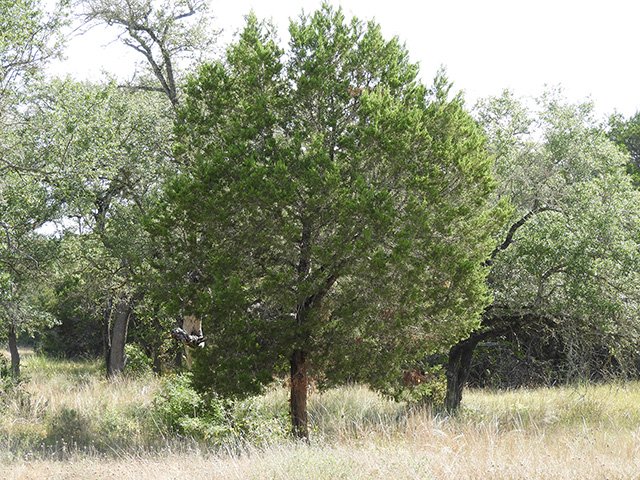 Image 2 of 2
Juniperus virginiana
Magnificent evergreen, with shreddy reddish-brown bark and blue-green scale-like foliage, provides great winter interest and shelter, food and nesting material for birds and small animals. Although named redcedar, it is a juniper producing blue berry-like cones (female). This drought tolerant tree draws its name from the aromatic true cedar fragrance of its heartwood. It is a Keystone plant, stabilizing soil erosion with its deep roots, while providing and supporting wildlife. Native to eastern U.S.
Height at pickup: 6”+
Height: 30’ – 65’
Spread: 8’ – 25’
Pot size: 1 gal.
Bloom time: non-flowering
Light: Full sun
Moisture: Dry
Attracts: Birds - cedar waxwings (named for their love of the berry-like cones). Butterflies -host for the Olive Juniper Hairstreak. Moths - imperial moth
Deer resistant: Yes
Companion plants: Pussytoes, winterberry, witch hazel, lady fern
2nd Photo: Lady Bird Johnson Wildflower Center https://www.wildflower.org/
Juniperus virginiana
Magnificent evergreen, with shreddy reddish-brown bark and blue-green scale-like foliage, provides great winter interest and shelter, food and nesting material for birds and small animals. Although named redcedar, it is a juniper producing blue berry-like cones (female). This drought tolerant tree draws its name from the aromatic true cedar fragrance of its heartwood. It is a Keystone plant, stabilizing soil erosion with its deep roots, while providing and supporting wildlife. Native to eastern U.S.
Height at pickup: 6”+
Height: 30’ – 65’
Spread: 8’ – 25’
Pot size: 1 gal.
Bloom time: non-flowering
Light: Full sun
Moisture: Dry
Attracts: Birds - cedar waxwings (named for their love of the berry-like cones). Butterflies -host for the Olive Juniper Hairstreak. Moths - imperial moth
Deer resistant: Yes
Companion plants: Pussytoes, winterberry, witch hazel, lady fern
2nd Photo: Lady Bird Johnson Wildflower Center https://www.wildflower.org/